How to Spot Good Vending Machine Locations
Finding good vending machine locations is the most critical step in building a successful vending business. Even the most popular machines with high-quality products won’t perform if they’re placed in the wrong spot. The challenge for many vending operators is not just finding locations—it’s identifying good vending machine locations fast without wasting time or resources.
This article provides practical strategies for quickly spotting profitable locations and maximizing your vending machine revenue.
Why Location Matters More Than Anything Else
In vending, location is king. A high-traffic area with the right audience can generate consistent daily sales, while a low-traffic or poorly chosen spot can result in wasted inventory and lost revenue.
Good vending machine locations are defined not just by the number of people passing by, but by the quality of the traffic—people who are likely to purchase what your machine offers. Understanding your target audience and their habits is essential for rapid success.
Key Traits of Good Vending Machine Locations
When evaluating potential vending spots, look for these indicators of a strong location:
1. High Foot Traffic
The more people who pass by your machine, the higher your chances of making sales. Busy hallways, lobbies, break rooms, or common areas are ideal. Look for locations where people naturally stop, wait, or gather.
2. Targeted Demographics
A location can have high traffic but still underperform if the people passing by are unlikely to buy your products. For example, offices with young professionals may prefer snacks and coffee, while gyms are better suited for protein bars and energy drinks.
3. Visibility
Good vending machine locations are highly visible. Machines tucked away in dark corners or behind furniture are often ignored. A well-lit, easy-to-see machine encourages impulse purchases.
4. Accessibility
Ensure your machine is easy to access. People should be able to approach and make a purchase without obstacles or long detours. Locations near entrances, elevators, or central pathways tend to perform better.
5. Length of Dwell Time
Locations where people spend time waiting—such as lobbies, waiting rooms, or transit hubs—are prime for vending machines. Longer dwell times increase the likelihood of purchases.
6. Limited Competition
Too many vending machines in the same area can reduce sales. Look for locations where your products stand out or offer something different from nearby machines.
Fast Methods to Identify Good Vending Machine Locations
Finding good vending machine locations doesn’t have to take months. With the right approach, you can evaluate potential spots quickly and efficiently.
1. Walk the Area
Take a physical tour of the neighborhood, building, or facility. Observe foot traffic patterns, peak hours, and areas where people pause or gather. This hands-on method gives insight that online research can’t provide.
2. Ask Questions
Talk to managers, building owners, or staff. Ask about foot traffic, peak times, and if they have existing vending machines. Quick conversations can save hours of trial and error.
3. Track Observations
Create a simple checklist for each potential location. Include traffic count, demographics, visibility, accessibility, and dwell time. This structured approach allows you to compare locations and prioritize the best options.
4. Use Technology
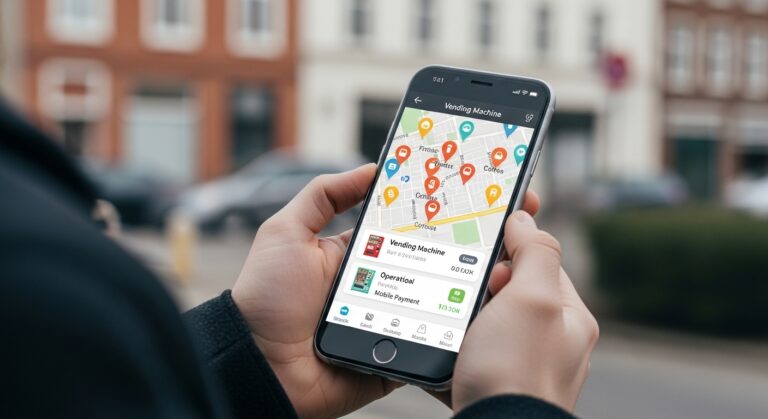
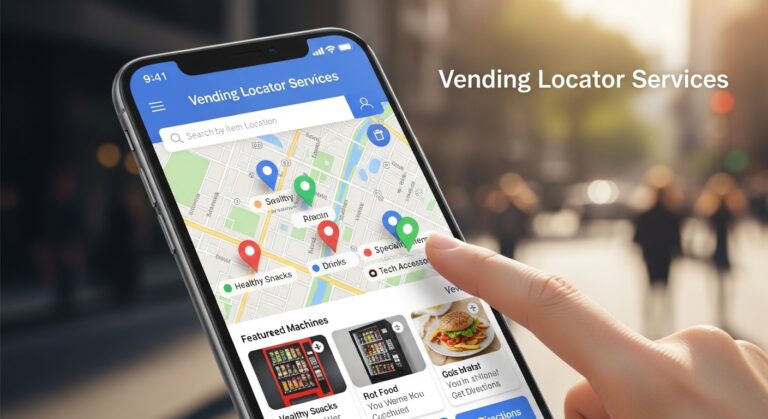
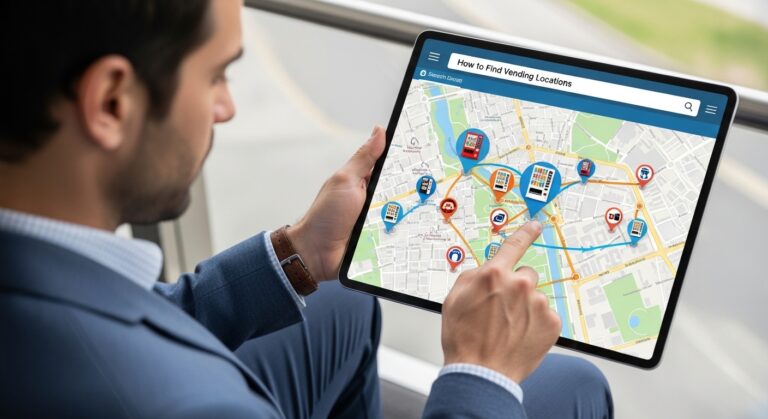
Some operators use apps, local mapping tools, or analytics software to track busy areas. While not a substitute for in-person observation, technology can speed up the evaluation process.
5. Leverage Existing Networks
Talk to other vendors or businesses in the area. They can provide insights into which spots consistently perform well, and which locations to avoid.
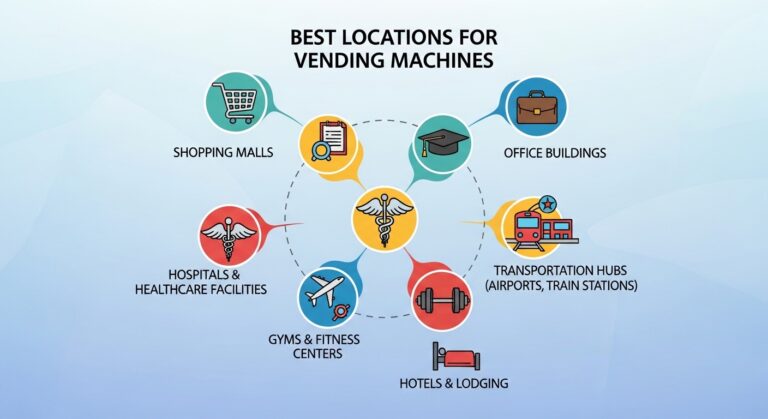
Types of Locations That Tend to Perform Well
While every market is unique, certain types of locations frequently produce strong results:
- Office Buildings: Employees need quick access to snacks and beverages.
- Schools and Colleges: Students and staff are high-frequency buyers.
- Hospitals and Clinics: Long hours and staff shifts drive steady demand.
- Gyms and Fitness Centers: Health-conscious consumers look for protein drinks and bars.
- Manufacturing Plants: Shift workers need convenient snack and beverage options.
- Apartment Complexes: High-density communities provide consistent daily customers.
These are often good vending machine locations because they combine traffic, dwell time, and accessibility—key factors that drive sales.
Tips to Evaluate Locations Quickly
- Time Your Visit: Observe the location during peak and off-peak hours.
- Count Foot Traffic: Estimate how many potential customers pass by each day.
- Check Competitors: Note how other vending machines in the area perform.
- Test Before Committing: If possible, negotiate a trial placement to gauge performance.
- Consider Security: Machines should be in safe, monitored areas to prevent theft or vandalism.
Avoid Common Mistakes
Even experienced vending operators sometimes fall into pitfalls when choosing locations:
- Ignoring demographics and traffic quality
- Overlooking competition and nearby machines
- Choosing convenience over visibility and accessibility
- Failing to monitor sales trends and adjust inventory
By learning to spot good vending machine locations quickly, you can avoid these common mistakes and save time, effort, and money.
Conclusion
Identifying good vending machine locations fast is a skill every vending operator can develop. By focusing on high foot traffic, the right audience, visibility, accessibility, dwell time, and limited competition, you can make smarter placement decisions.
Using a structured approach—walking the area, asking questions, tracking observations, and leveraging networks—will allow you to evaluate potential locations efficiently. Over time, this knowledge becomes one of your most valuable assets in building a profitable vending business.
Remember, it’s not just about finding any location—it’s about finding good vending machine locations that consistently perform. With the right strategy, your machines will generate steady revenue and maximize your return on investment.