How Professional Locators Find Vending Locations
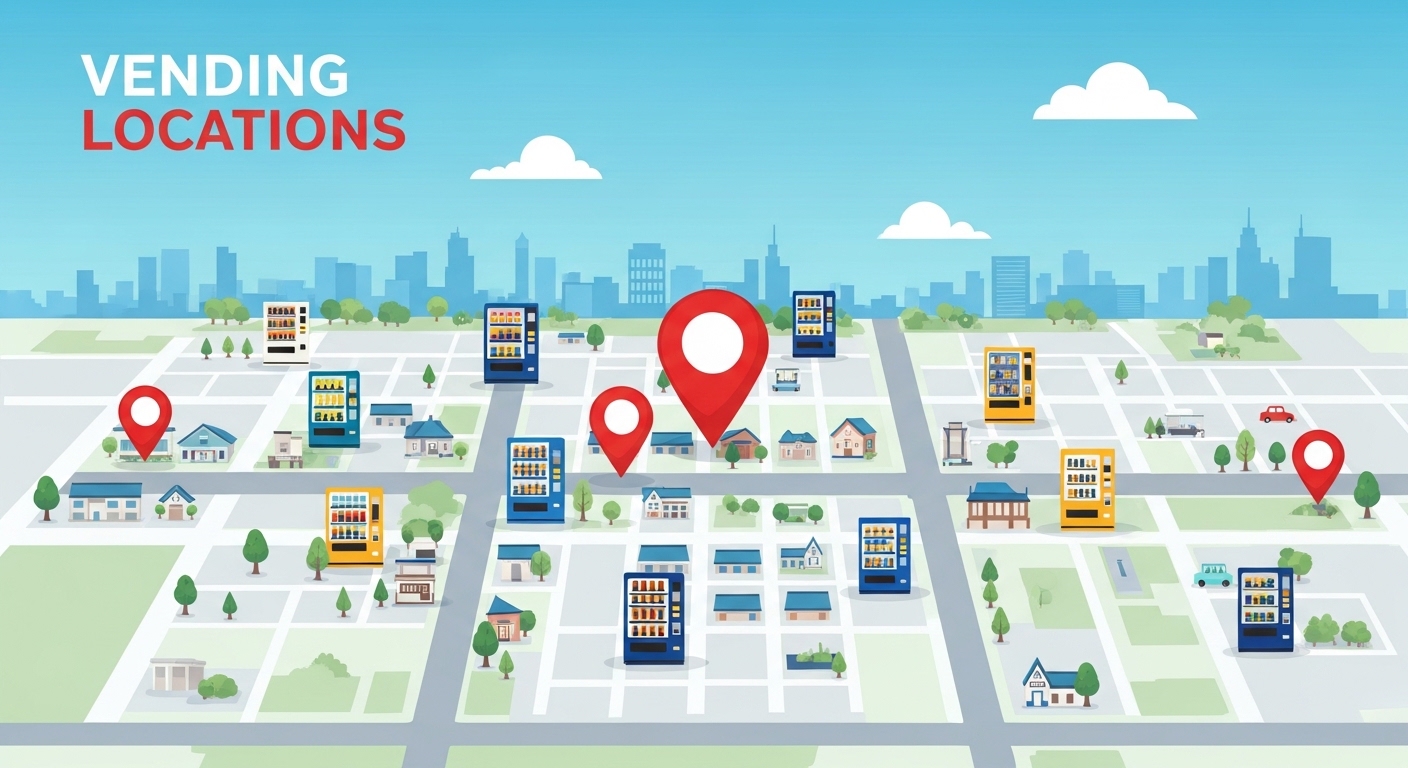
One of the biggest challenges in the vending business is securing the right spots. Even the best machines stocked with popular products won’t perform if they’re in the wrong place. This is where professional locators come in. Experienced vending professionals know exactly how to find vending locations that generate consistent revenue and minimize downtime.
In this article, we’ll explore the strategies professional locators use to identify high-performing vending locations, why their approach works, and how operators can benefit from these insights.
Why Location Matters in Vending
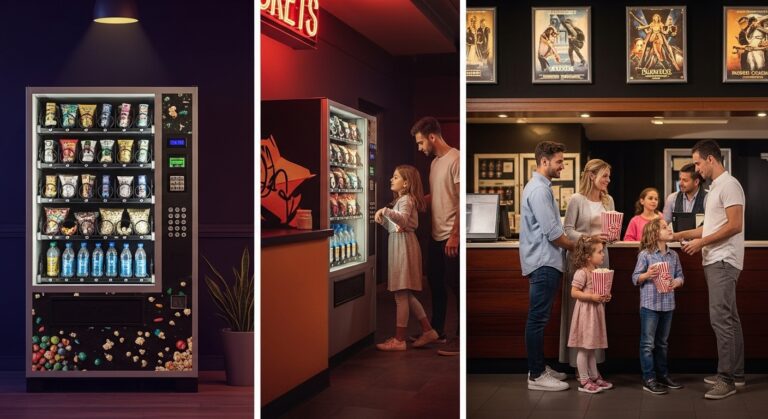
Location is the single most critical factor in the success of a vending machine. Machines in high-traffic areas with the right audience generate predictable, recurring sales, while poorly chosen spots can waste inventory and time.
Professional locators focus on more than just foot traffic. They evaluate visibility, accessibility, demographics, dwell time, and competition to ensure each placement is profitable. Learning how they approach location scouting can help any vending operator improve results—even if they handle the placement themselves.
Key Steps Professional Locators Take to Find Vending Locations
1. Analyze Traffic Patterns
The first step in locating profitable vending locations is understanding traffic flow. Professional locators:
- Observe the number of people passing through an area daily
- Identify peak hours for potential buyers
- Note areas where people pause, wait, or gather
High foot traffic is critical, but the quality of the traffic is equally important. Professional locators know to focus on locations where visitors are likely to make purchases.
2. Evaluate Demographics
Not all traffic will convert into sales. Professional locators study demographics to match products to the audience. For example:
- Office buildings may need coffee, snacks, and healthy options
- Gyms benefit from protein shakes, bars, and energy drinks
- Schools and universities perform well with affordable, snackable items
By analyzing the target audience, locators ensure that the vending machine offerings meet the needs and preferences of potential buyers.
3. Assess Visibility and Accessibility
Even a high-traffic area can fail if machines are hidden or difficult to reach. Professional locators:
- Look for visible, well-lit areas
- Ensure easy access without barriers
- Avoid placements behind furniture, doors, or obscure corners
Accessibility also includes evaluating the hours of operation. Machines should be available when the target audience is present.
4. Check Competition
Successful vending locations often have limited competition. Locators research:
- Nearby vending machines
- Convenience stores or cafes that might serve the same products
- Areas where competitors underperform
By identifying gaps in the market, professional locators secure exclusive or highly profitable spots.
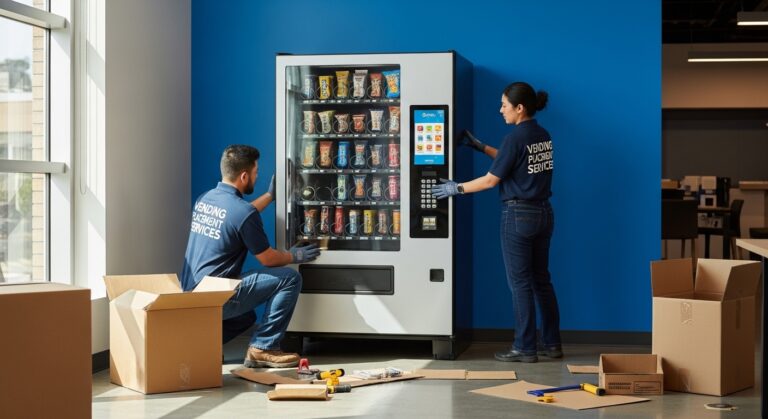
5. Negotiate Agreements
Finding vending locations is only part of the process. Professional locators also handle the business side:
- Contact property managers or decision-makers
- Negotiate placement agreements
- Understand rules, regulations, and any location-specific requirements
Their experience ensures that agreements are legally sound, fair, and beneficial for long-term operation.
6. Test and Monitor Locations
Even after securing a location, professional locators often test performance:
- Place a trial machine or limited inventory
- Track sales trends and customer engagement
- Adjust placement or product selection as needed
This data-driven approach minimizes risk and ensures each vending location performs optimally.
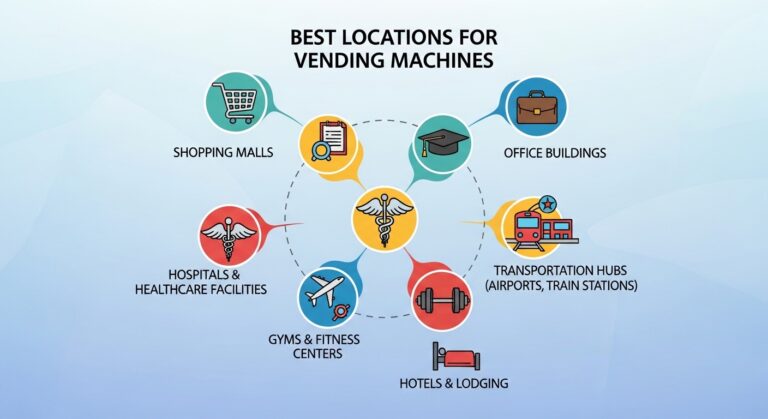
Types of Locations That Professional Locators Favor
While markets vary, some locations consistently perform well:
- Office Buildings: High employee counts, break rooms, and lobbies
- Schools and Universities: Students and staff who purchase frequently
- Hospitals and Clinics: Long operating hours and high foot traffic
- Gyms and Fitness Centers: Health-focused products appeal to members
- Manufacturing Plants: Shift workers need convenient food and drinks
- Apartment Complexes: Residents appreciate 24/7 access to snacks and beverages
- Transportation Hubs: Airports, bus stations, and train stations provide consistent traffic
Professional locators combine these proven locations with local insights to maximize sales.
How Operators Can Apply Locator Strategies
Even without hiring a professional, vending operators can benefit from these approaches:
- Observe Traffic: Spend time in potential locations to understand foot flow.
- Match Products to Audience: Tailor offerings based on demographics and preferences.
- Prioritize Visibility: Place machines in prominent, well-lit spots.
- Check for Competition: Look for underserved areas or gaps in the market.
- Negotiate Placement Terms: Secure clear agreements with property owners.
- Monitor Performance: Track sales and adjust inventory or placement as needed.
By using these principles, operators can effectively find vending locations that perform like the ones professional locators identify.
Benefits of Using Professional Locators
Hiring a professional locator can save time, reduce trial-and-error costs, and improve profitability. Key advantages include:
- Access to insider knowledge about local high-performing locations
- Experience negotiating favorable placement agreements
- Reduced risk of poor-performing vending locations
- Faster identification of profitable spots, saving months of research
For operators new to vending or looking to expand, working with a professional can accelerate growth and increase revenue potential.
Conclusion
Securing profitable vending locations is the foundation of a successful vending business. Professional locators use a combination of traffic analysis, demographic evaluation, visibility assessment, competition research, and careful negotiation to find vending locations that consistently perform.
By understanding their methods, even independent operators can apply these strategies to identify high-performing locations, optimize product selection, and maximize revenue. Whether you hire a professional or do it yourself, the key to success is smart location selection, ongoing monitoring, and strategic planning.
The better the location, the higher the potential for repeat sales, steady revenue, and long-term vending success.