Why Most Vending Locations Fail and How to Win
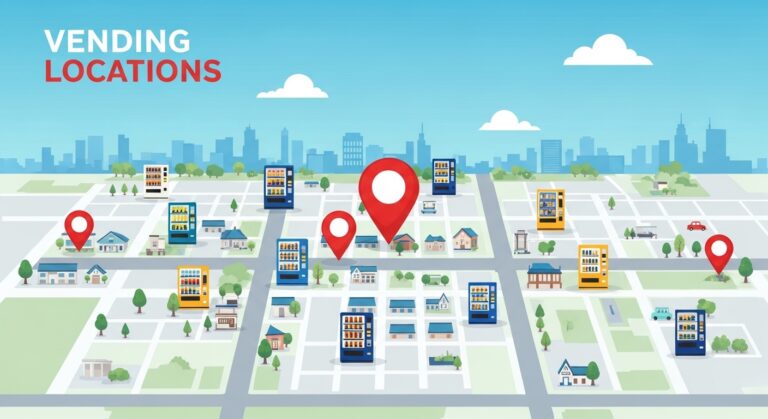
Securing vending locations is one of the most critical steps in building a profitable vending business. Yet, many vending operators struggle to make their machines perform, often wondering why their investments fail to generate consistent revenue. Understanding why vending locations fail—and how to select winning spots—can save time, money, and effort.
This article explores the common reasons vending locations underperform and provides actionable strategies to ensure your machines succeed.
Common Reasons Vending Locations Fail
Even experienced vending operators sometimes encounter poor-performing locations. While the reasons vary, several patterns consistently emerge.
1. Low Foot Traffic
The most common reason vending locations fail is insufficient traffic. Even the most popular snacks or drinks will not sell if people rarely pass by the machine. High foot traffic is essential to maintain consistent sales.
2. Poor Demographics
Not all traffic is created equal. A location may have many people, but if they aren’t likely to purchase your products, sales will lag. For example, office break rooms may perform well for snacks and coffee, while industrial zones might need more energy drinks or quick meals.
3. Bad Visibility
Vending locations hidden in dark corners or behind obstacles rarely perform well. A machine must be easily seen and accessible for customers to make impulse purchases.
4. Inconvenient Accessibility
Locations that are difficult to reach or have limited operating hours can hurt sales. Machines must be positioned where customers can quickly approach and complete a purchase.
5. Oversaturation
Too many machines or similar products in one area can reduce profitability. Even high-traffic areas can fail if customers have multiple options for the same products nearby.
6. Poor Product Selection
Even a good vending location can fail if the products don’t match the audience. Stocking the wrong snacks, beverages, or price points can turn a promising location into an underperforming one.
7. Neglected Maintenance
Machines that are broken, dirty, or empty discourage purchases. Poorly maintained machines can turn customers away and diminish trust in your brand.
How to Identify Winning Vending Locations
Knowing why vending locations fail is only half the battle. The other half is learning how to choose locations that consistently perform. Here are some key strategies:
1. Look for High Foot Traffic Areas
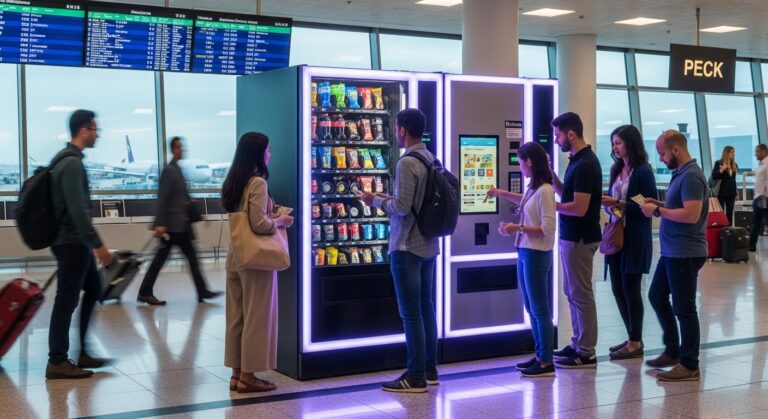
Winning vending locations have consistent traffic throughout the day. Consider office buildings, schools, hospitals, gyms, and transportation hubs. Watch for areas where people gather or spend time, like lobbies, waiting areas, and cafeterias.
2. Match the Demographics
Analyze the audience in each location. Are they office workers, students, travelers, or fitness enthusiasts? Tailor your product selection to the needs and preferences of the people who frequent the location.
3. Ensure Visibility
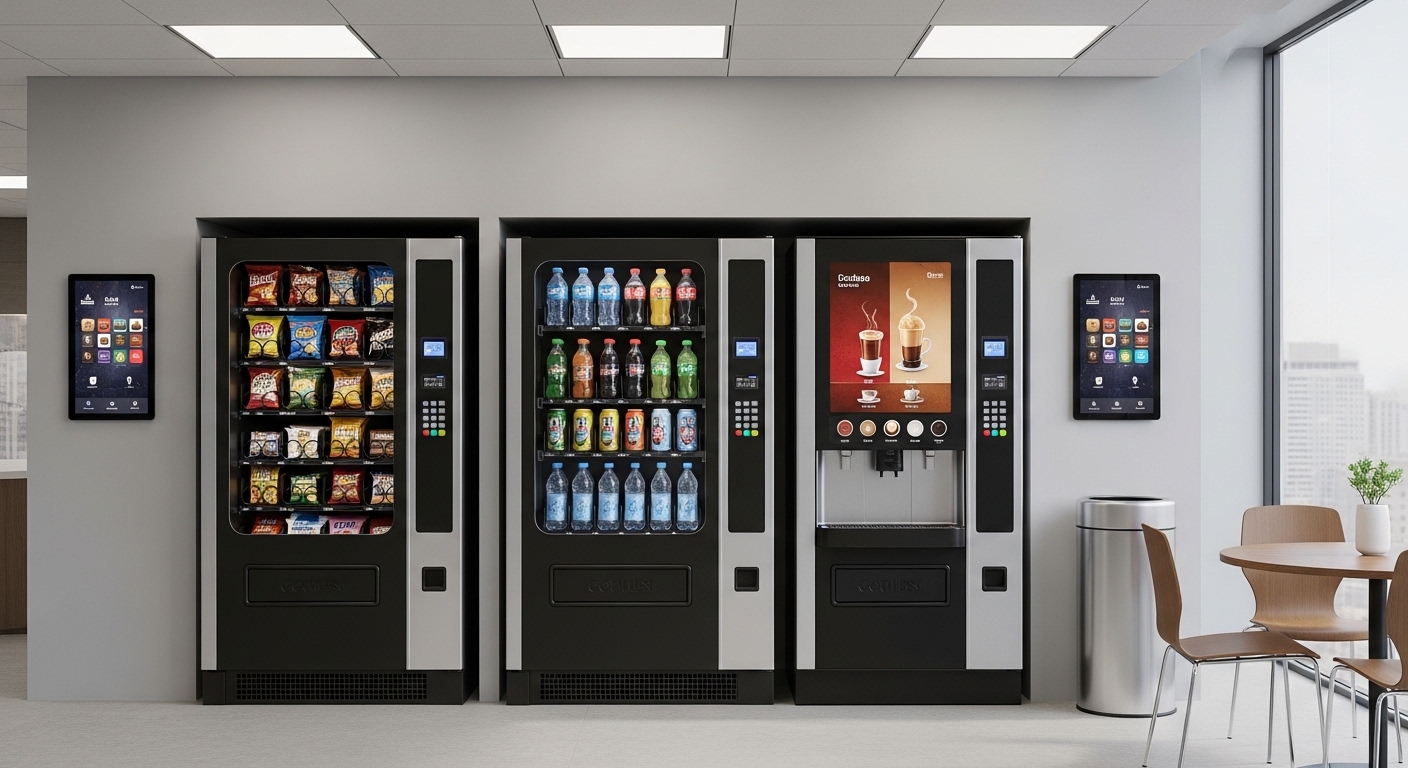
Machines should be placed in well-lit, prominent areas where they naturally catch the eye. High visibility encourages impulse purchases and repeat customers.
4. Accessibility Matters
A good vending location is easy for customers to reach and use. Avoid areas that are behind locked doors, far from entrances, or require complex navigation.
5. Avoid Oversaturated Areas
Check for competing vending machines or nearby convenience stores. A winning vending location offers unique convenience or products not readily available elsewhere.
6. Test and Monitor
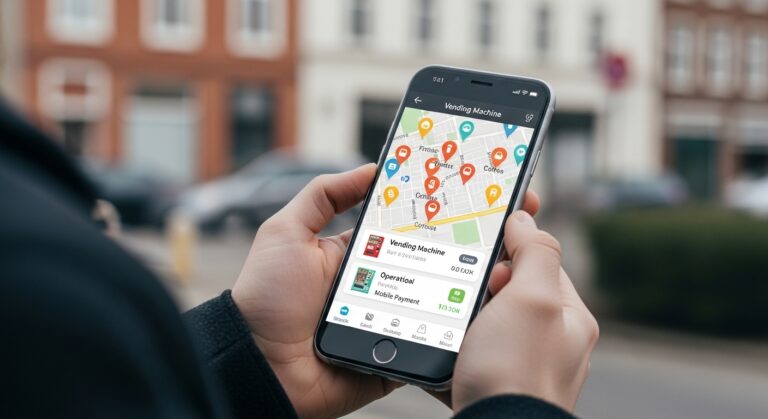
If possible, test a location before committing long-term. Track sales trends, customer feedback, and inventory turnover to determine if the spot is profitable.
High-Potential Vending Locations
Certain types of locations consistently generate strong results for vending operators:
- Office Buildings: Employees need snacks, drinks, and coffee throughout the day.
- Schools and Colleges: Students and staff are frequent buyers.
- Hospitals and Clinics: Staff and visitors need quick snacks and beverages during long shifts.
- Gyms and Fitness Centers: Health-conscious customers seek protein bars, energy drinks, and healthy snacks.
- Manufacturing Plants: Employees often rely on on-site machines for meals and drinks.
- Transportation Hubs: Airports, bus stations, and train stations provide constant traffic.
- Apartment Complexes: Residents appreciate convenient access to snacks, beverages, and essentials.
These locations generally combine foot traffic, dwell time, and accessibility—key ingredients for vending success.
Tips to Maximize Success in Vending Locations
- Monitor Sales: Track sales and adjust inventory to match demand.
- Keep Machines Stocked and Maintained: Empty or broken machines lose revenue quickly.
- Offer a Variety of Products: Include popular snacks, beverages, and seasonal items to appeal to your audience.
- Update Pricing and Promotions: Consider discounts, combo deals, or seasonal promotions to boost sales.
- Build Relationships: Maintain good communication with location managers to secure long-term placement and resolve issues quickly.
The Role of Vending Machine Placement Services
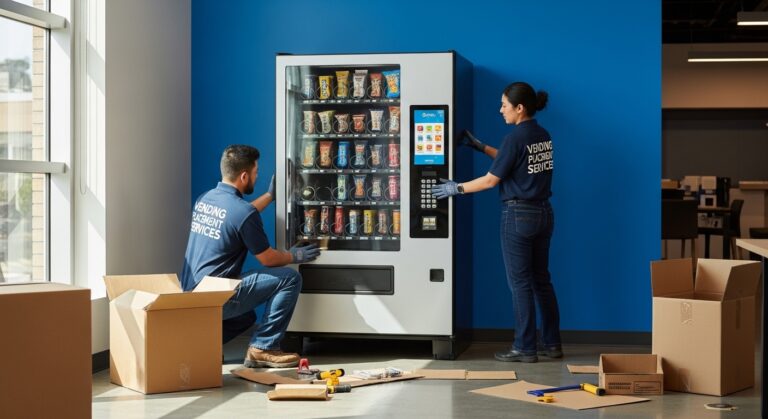
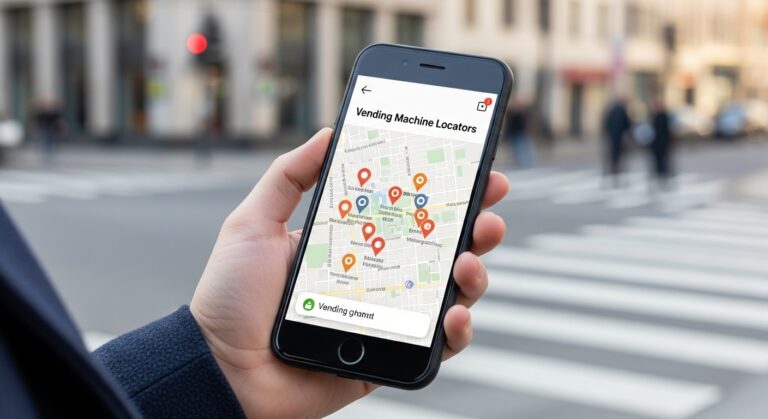
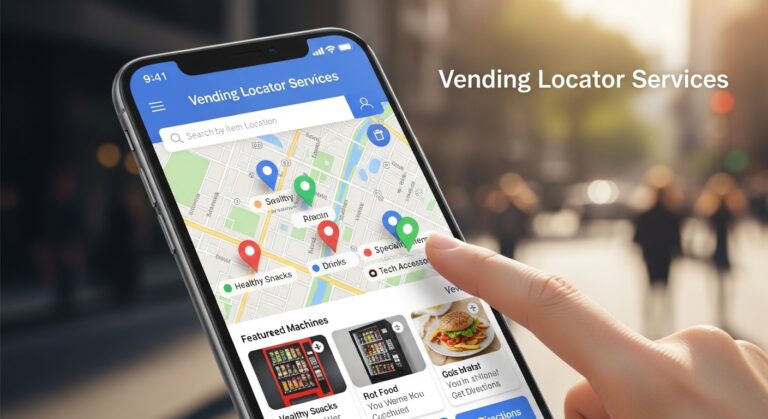
Some operators turn to vending machine placement services to identify high-performing spots. A reputable placement service can provide valuable insights into traffic patterns, demographics, and negotiation with property owners. While not strictly necessary, these services can help new operators avoid common pitfalls and quickly locate profitable vending locations.
Conclusion
Many vending locations fail due to factors that are often preventable, including low foot traffic, poor demographics, bad visibility, or inadequate maintenance. By understanding the reasons behind underperformance, operators can make smarter choices when selecting vending locations.
The key to winning in the vending business is identifying high-potential spots, tailoring products to the audience, maintaining machines, and continuously monitoring performance. By focusing on these strategies, you can avoid common mistakes, maximize revenue, and secure vending locations that truly perform.
Choosing the right locations isn’t just about convenience—it’s about setting your vending business up for long-term success. By applying these principles, operators can turn every vending location into a profitable, sustainable revenue stream.